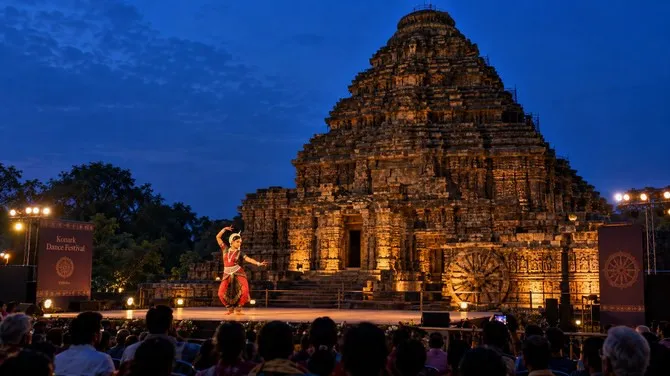
The Konark Festival opens on Monday, 1 December, and runs through 5 December at the open-air auditorium near the Sun Temple, with the International Sand Art Festival drawing its own crowd to Chandrabhaga beach in the same window. For small hotels in Konark and along the Puri corridor, this is one of the most concentrated demand weeks of the Odisha winter. With six days to go, the bookings you will get are largely decided by what you tighten this week, not by anything you planned months ago.
Start with the rate calendar. Festival nights are not uniform. The opening and closing evenings and the weekend inside the window pull hardest, and many properties still hold flat weekday rates across all five nights. An hour with your calendar, setting festival-night rates and checking that no OTA promotion quietly overrides them, is the highest-value hour available to you this week.
Rethink the stay pattern, not just the price. A large share of festival visitors sleep in Puri, about 35 kilometres away, and travel to Konark for the evening programme. That creates a specific guest: someone who leaves after breakfast, returns late, and needs dinner timing, a reliable driver, and a hot shower at 11 pm more than they need a lunch menu. Hotels that name this pattern in their own messaging - "festival evenings sorted: driver on call, late dinner held" - convert better than hotels that simply raise the rate.
Transport is the real product this week. Guests consistently rank the evening drive between Puri and Konark as their biggest friction point: finding a car at short notice, agreeing a price, and getting back after the programme ends. If you do nothing else, fix this. Line up two or three local drivers who will commit to festival evenings, agree rates in advance, and put the arrangement in your pre-arrival message. The room sells the night; the transport sells the booking.
Check your day-visitor leakage. Many travellers base themselves in Bhubaneswar and do Konark as a day trip, because they assume staying nearer the temple means compromising on comfort. If your property is genuinely close to the venue, say so explicitly in your listing descriptions and confirm it in the first reply to any enquiry for those dates. "Ten minutes from the festival ground" is a concrete fact that beats a paragraph of adjectives.
Brief the front desk on the programme. During festival week your staff will field the same five questions every day: timings, tickets, distance, transport, and whether the sand-art displays at Chandrabhaga are worth a separate trip. A one-page sheet with verified answers - sourced from the Odisha Tourism festival page, not memory - turns hesitant phone enquiries into confirmed bookings. The guest who gets a confident, specific answer books; the one who hears "I will check and call back" often does not.
Use the mornings. Festival evenings belong to the organisers; mornings belong to you. Early breakfast for guests heading to the Sun Temple before the heat, a packed option for those combining Konark with the sand-art beach, and a simple printed plan for the day cost almost nothing and are the details guests mention in reviews. This week's reviews, remember, are read by the travellers planning Makar Sankranti and Republic Day trips in January.
Hold a small buffer for direct requests. In the final days before a known event, phone and WhatsApp enquiries spike, and some of the best guests of the season are in that flow. Keeping even one or two rooms off the OTA grid for direct callers gives you flexibility to say yes - and the margin on a direct festival-night booking is worth protecting.
Six days is short, but it is not nothing. The hotels that win festival weeks are rarely the ones with the best view of the temple. They are the ones that removed, one by one, the small reasons a tired traveller might book somewhere else.
Sanskar Soni is building Mehman, a WhatsApp-based direct-booking assistant for small Indian hotels. He writes about practical revenue and operations ideas for independent properties.


