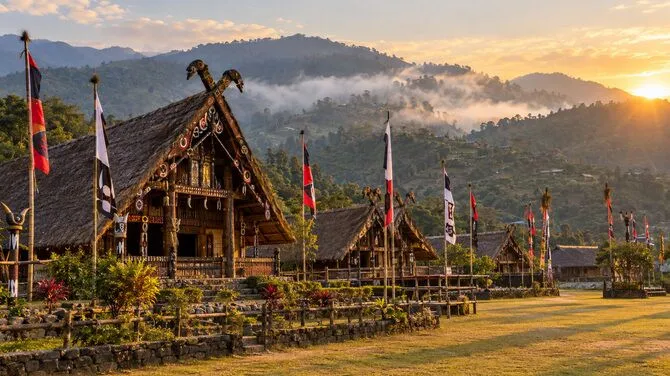
The Hornbill Festival opens at Kisama Heritage Village, about twelve kilometres from Kohima, on 1 December and runs through 10 December. For hotels in Kohima and Dimapur, these ten days are the highest-demand stretch of the year, and they arrive whether or not the property is ready. With the festival about a week out, this is the moment for a final readiness pass, not a redesign.
Start with the room chart and the rate card, because that is where festival week is won or lost. Confirm exactly which rooms are sellable for every night from 30 November to 11 December, pull any room with an unresolved maintenance issue off the market now rather than mid-festival, and settle the festival rate for each room type in writing. Guests booking this week are comparing the few properties that still show availability, and a quoted rate that changes between the first message and the follow-up costs the booking and the review.
Expect the permit question. Domestic visitors travelling to Nagaland for Hornbill need an Inner Line Permit, and many guests, especially first-time visitors to the Northeast, will ask the hotel how to get one. Know the current process, keep the official portal details handy, and be ready to tell guests what documents they need and how long it takes. A property that answers this accurately in the first reply signals that it hosts festival travellers every year.
Transport is the second cluster of questions. Most out-of-state guests arrive through Dimapur, which has the airport and the railhead, and then travel up to Kohima by road. They will ask about taxi fares, shared sumo services, travel time, and how to reach Kisama each day. Work out your answers in advance: the going rates, a couple of reliable drivers you can recommend, and realistic journey times in festival traffic. If you can arrange a fixed-price transfer for guests, say so in your confirmation message; it removes the biggest uncertainty they carry.
Festival days run on a particular rhythm, and small adjustments to the property's rhythm pay off. Guests leave early for the heritage village and return late after the evening programmes and the night carnival. An early breakfast option, or even a packed arrangement for guests leaving before the kitchen opens, will be noticed. So will honest guidance on what to wear for cold December mornings in the hills, where to find ATMs, and what connectivity to expect, because networks in and around Kohima get congested when the festival crowds arrive.
Get the desk ready for compressed, repetitive days. The same ten questions will arrive dozens of times, so write the answers down once: a single reference sheet covering festival dates and timings, the distance to Kisama, transport options, permit guidance, meal times, and your own house rules on check-in and check-out. Whoever answers the phone or the messages then gives the same correct answer every time, including the days you are not at the desk yourself.
Think about group bookings with care. Hornbill draws cultural troupes, researchers, photographers and film crews alongside leisure travellers, and some will ask for blocks of rooms. Take group business only with a deposit and a clear release date, because a block held for a group that never confirms is inventory you cannot resell in the busiest week of the year.
Finally, plan for the mornings after. Festival guests are a concentrated audience for reviews and repeat visits: Nagaland's tourism calendar does not end on 10 December, and a guest who was looked after in the crush of Hornbill week remembers it when they return or when a friend asks where to stay. A smooth checkout, a genuine thank-you message, and a correct final bill are the cheapest reputation-building available to a small property.
None of this requires more rooms or more staff. It requires deciding the remaining details before the gates at Kisama open, while there is still a calm week to decide them in.


