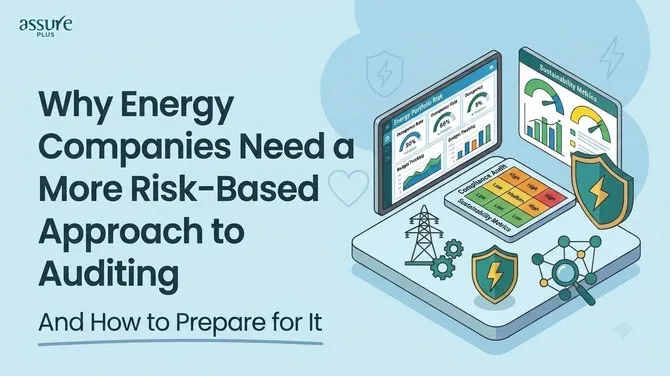
Energy and utilities organisations operate complex networks of assets, contractors, technology and regulatory obligations. A weakness in one area can affect service reliability, workplace safety, environmental performance or customer outcomes. Traditional audit programmes that follow fixed schedules may struggle to keep pace with these changing risks. A more risk-based approach helps organisations direct attention towards the areas where control failures could have the greatest consequences.
For energy companies managing infrastructure and regulatory responsibilities, audit services play an important role in checking whether policies and controls work as intended. The value of an audit is not simply the report it produces. It is the evidence it provides about business performance and the improvements that follow.
Why Should Audit Priorities Reflect Operational Risk?
Not every business process carries the same level of risk. A review of routine administrative procedures may require a different level of attention from an assessment of high-voltage equipment maintenance, contractor safety or environmental controls.
Audit planning should consider the potential impact of failure, the likelihood of an issue and the history of previous findings. Changes in operating conditions, new infrastructure projects and contractor arrangements can also affect audit priorities. Reviewing these factors helps organisations allocate audit resources where they are most useful.
The updated ISO 19011:2026 guidelines for auditing management systems provide guidance on audit principles, audit programme management and conducting management system audits. Their publication in May 2026 gives organisations a current reference when reviewing audit practices and auditor competence.
A structured audit programme also requires reliable documentation. AssurePlus supports centralised audit planning, evidence collection and assessment workflows, helping teams organise workpapers, review findings and monitor outstanding actions. This can reduce administrative delays and give management a clearer view of audit progress.
How Can Utilities Improve the Quality of Audit Evidence?
An audit finding is only as useful as the evidence supporting it. If records are incomplete, outdated or spread across multiple systems, auditors may spend valuable time searching for documents instead of evaluating whether controls are effective.
Energy businesses often need evidence from engineering teams, field workers, contractors and compliance departments. A consistent collection process helps ensure that supporting documents are linked to the correct audit, control and finding. It also makes reviews easier when different teams need to verify the same information.
The Australian Energy Regulator's information on compliance audits explains how audits can be used to assess compliance with energy retail obligations. The regulator may conduct an audit or require a retailer or distributor to undertake one, making reliable audit records important for regulated organisations.
Energy-sector governance, risk and compliance processes can further connect audit findings with operational and regulatory responsibilities. AssurePlus provides GRC capabilities for energy and utilities organisations that address infrastructure, environmental, cybersecurity and safety risks.
What Happens When Audit Findings Are Not Followed Through?
An audit should lead to a clear management response. Findings need assigned owners, realistic deadlines and evidence that agreed improvements have been completed. Without follow-up, the same control weaknesses may appear in future audits.
Organisations should also examine recurring findings across sites and business units. A repeated issue may indicate a broader weakness in training, procedures or management oversight rather than an isolated failure.
Conclusion
Risk-based auditing helps energy companies focus their attention on important operational and compliance risks. Reliable evidence, structured audit workflows and clear ownership of corrective actions make the process more useful for management. By connecting audit activity with wider GRC responsibilities, utilities can improve control oversight and build a stronger foundation for operational accountability.