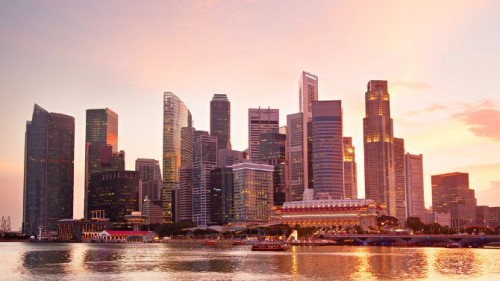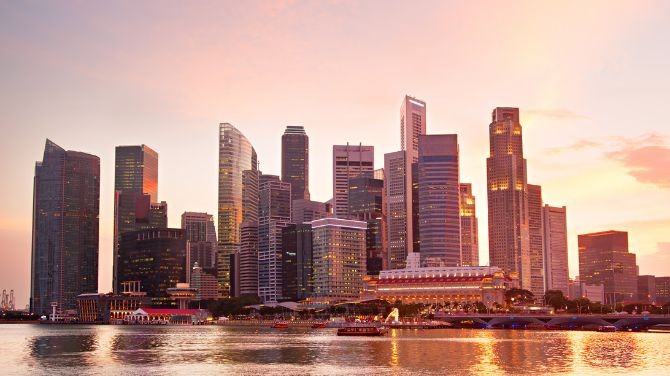
The ever-changing skyline of cities bears testimony to one of the fundamental traits of present-day economic expansion: Urbanization. Urban expansion because of evolving demographics, changing life patterns, and expanding economic horizons necessitates increasing real estate spaces. To keep up with the growing urban populace, residential, commercial and mixed-use properties, government and real estate builders are collaborating on endeavours that promise improved liability, sustainability and interconnected communities.
The transformation of the real estate market extends far beyond constructing edifices. Today’s emphasis is on building smart cities that promote high quality of living while simultaneously being a strong bedrock for economic advancement. Green construction, a growing network of public transport, efficient use of digital technologies in building operations, along with smart urban infrastructure are gradually transforming the cityscape of tomorrow.
Urban renewal projects are opening a whole new world of possibilities and investments for both the builders and city dwellers alike. The real estate market stood valued at USD 4,570.10 Billion in 2025 and as per the latest research from Expert Market Research, is set to rise at a rate of CAGR of 6.40% between the year 2026 and 2035, touching approximately USD 8,498.49 Billion by the year 2035.
Urbanization Is Driving Real Estate Growth
As more people are drawn to the city life for work opportunities, educational facilities, healthcare facilities and to have a better living condition. Due to the rise in urbanization, there is huge demand for residential properties, commercial complexes like offices, shops, logistic parks, and public buildings etc. Considering this scenario, various governments in several countries are investing in city expansion, transportation networks, public facilities and in the development of housing units which not only leads to improve living standards but also helps boost economic growth and job creation by attracting investors and businesses.
In response to growing city population and density developers are trying to maximize the usage of land. By constructing skyscrapers, building community centres and creating the combined development of residential and commercial spaces.
Technology Is Reshaping Modern Real Estate
The driving engine for changes to the property market is the advancement in technologies. The digital developments are not just making it simpler to sell or purchase a property but also enabling planners and developers to make sounder decisions regarding their investments. Customers benefit too by easier access to information about properties and virtual tours.
Key Technological Advancements
- Artificial intelligence for property valuation
- Virtual and augmented reality property tours
- Internet of Things (IoT) enabled smart buildings
- Blockchain-based property transactions
- Cloud-based property management platforms
- Big data analytics for market forecasting
- Smart security and energy management systems
The new solutions will provide more transparency in the market, make business more efficient and give the customers a better service, and the smartest sustainable urban development is provided by. Given the accelerated adoption of new technologies, its role will only expand in the coming years.
Sustainable Development Is Becoming Essential
More recently sustainable planning has become a top priority among urban planning developers. Developers are increasingly opting for green ways of construction to conserve energy. Developers, the government and real estate investors are increasingly looking to “green buildings,” where properties built use the latest energy efficient, water efficient and the use of materials which can help them to lower energy costs and reduce the damage done to the planet.
Green buildings utilize the most efficient materials for heating, cooling, insulation, and for water use and will allow occupants to save money while also living healthier lives.
Due to ongoing climatic changes and concerns of greenhouse emissions, sustainable buildings are no longer an extra option, they have turned into the way forward of the real estate development and are being mandated in some areas of the country by state and local building and environmental codes, as well as through incentive programs such as energy tax credits and green building certification standards.
Mixed-Use Communities Are Transforming Cities
While cities in the past typically divided the neighbourhoods into zones for living, commerce, and leisure activities, contemporary city design involves mixed-use development plans that include the multiple activities into one location.
Such planning offers easy convenience by enabling citizens to live, work, shop, and receive goods and services, eliminating long commutes. Furthermore, such developments promote lively neighbourhoods that promote social interaction among residents and the operation of small companies.
Benefits of Mixed-Use Developments
- Better utilization of available land
- Reduced commuting time
- Improved access to public transportation
- Stronger local economies
- Increased property values
- Enhanced community engagement
- Greater convenience for residents
The Role of Real Estate in Economic Development
Job creation is driven through real estate and infrastructure, as the real estate industry contributes greatly to economies worldwide and helps create jobs. Construction leads to jobs in engineering, architecture, manufacturing, transportation and other professional services.
Furthermore, the industry helps stimulate the creation of associated infrastructure such as roads, schools, health centres, and other community facilities as well as of shopping centres and public transport services. Infrastructure increases economic activity at the local level and increases the attractiveness of the community as well as property values.
In addition, foreign direct investment in commercial and residential development, primarily focused on rapid growing cities where quality infrastructure demand persists.
Challenges Facing the Real Estate Market
In fact, despite such an upbeat outlook for the property sector, there remain challenges to future property growth, and it will take a collaborative effort to tackle the obstacles with cooperation from governments, developers, and technology partners, and investors.
Major Market Challenges
- Rising construction material costs
- Limited land availability in urban areas
- Affordable housing shortages
- Complex zoning and regulatory requirements
- High financing and borrowing costs
- Environmental and climate-related concerns
- Infrastructure development delays
- Economic uncertainty affecting investment decisions
Policy initiatives by governments, combined with efforts by industry participants (e.g., through public private partnerships, sustainable practices and development of infrastructure) are aiming to resolve many of these issues. Innovation should reduce efficiencies in the longer term and help to keep markets stable.