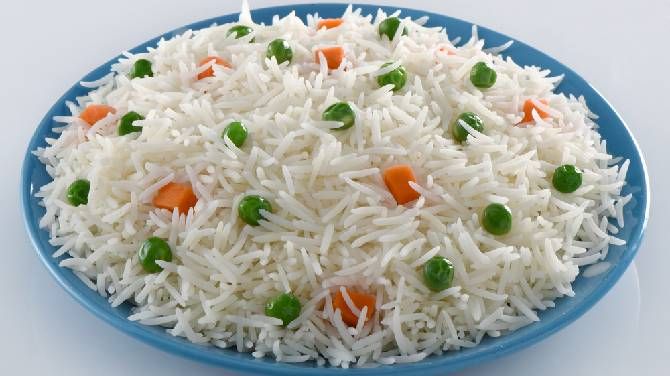
Anyone who cooks rice often knows this quiet truth. Not all basmati rice feels the same in the pot. One packet releases that familiar warm aroma the moment the lid lifts. Another cooks up flat, dull, almost lifeless.
This difference rarely comes from the recipe. It usually begins much earlier, right in the grocery aisle.
For everyday meals, the best basmati rice is not simply the most expensive one on the shelf. Good rice reveals itself through grain length, fragrance, ageing, and even how the grains behave during cooking. A few careful observations can make the choice surprisingly easy.
This guide walks through the practical signs that help home cooks identify quality basmati rice while shopping. No complicated jargon. Just the details that actually matter once the rice hits your kitchen.
Why Basmati Rice Is Different From Regular Rice
Basmati rice has a reputation for a reason. It is known for long, slender grains, a soft aroma, and the ability to cook into separate fluffy strands rather than clumps.
Most authentic basmati varieties belong to the family of Indian long grain rice, grown in regions where climate, soil, and traditional farming practices shape the grain’s natural qualities.
These grains behave differently in cooking compared with shorter varieties. They expand lengthwise, release fragrance while steaming, and hold their shape well in dishes ranging from simple rice bowls to layered meals.
But quality can vary widely depending on how the rice is grown, aged, processed, and packaged.
The First Thing to Check: Grain Length
One of the easiest visual clues lies right in front of you.
Good basmati rice has noticeably long, slender grains before cooking. When cooked, those grains stretch further rather than becoming round or broken.
Quick Grain Guide
|
Rice Appearance |
What It Usually Means |
|
Very long, thin grains |
Higher quality basmati |
|
Mixed grain sizes |
Lower grading or mixed rice |
|
Many broken grains |
Poor handling or lower quality |
|
Thick or short grains |
Likely not true basmati |
When you gently shake the package, look closely through the transparent portion. Consistency in grain length is usually a good sign.
Aroma: The Signature Character
Basmati rice has a distinct fragrance, sometimes described as nutty, warm, or slightly floral. It becomes more noticeable after cooking, but good-quality rice often carries a mild aroma even before preparation.
In sealed packages, you may not smell it directly, but experienced buyers notice another indicator. Properly aged rice tends to appear slightly off-white rather than bright polished white.
That subtle aging process develops both aroma and cooking performance.
Why Aging Matters More Than Most People Realize
Freshly harvested rice contains more moisture. While it may cook quickly, the grains tend to stick together.
Aged basmati rice behaves differently. The grains remain separate and expand beautifully.
Many producers age their rice for 12 to 24 months before packaging. This allows excess moisture to leave the grain naturally.
Effects of Rice Aging
|
Rice Type |
Cooking Result |
|
Fresh rice |
Slightly sticky texture |
|
Moderately aged |
Fluffy grains |
|
Well-aged basmati |
Long, separate grains with a stronger aroma |
For everyday cooking, aged rice is usually the better choice.
Look for Grain Uniformity
Uniformity may sound like a small detail, yet it reveals a lot about the rice processing process.
When grains appear similar in length and thickness, it means the rice has been carefully sorted during milling.
If a packet contains a large number of broken grains or uneven sizes, cooking results may become inconsistent. Some grains overcook while others remain firm.
Uniform grains, on the other hand, cook evenly and deliver that classic basmati texture.
Color Can Tell a Story Too
Rice color often reflects how it was milled and stored.
Good basmati rice usually appears:
- Light cream or off-white
- Slightly translucent
- Clean without dark spots
Extremely bright white grains sometimes indicate heavy polishing. While polishing improves visual appeal, excessive processing can remove part of the natural outer layer.
A balanced appearance is usually a better sign.
Packaging Quality Should Not Be Ignored
The rice itself may be excellent, yet poor packaging can affect freshness.
When shopping, check for a few practical details.
What to Notice on the Package
- Thick, well-sealed bags
- Clear labeling of grain type
- Harvest or packing details when available
- Minimal broken grains visible through the pack
Proper packaging protects rice from moisture, pests, and air exposure during transport and storage.
This becomes especially important when buying Indian long grain rice, which may travel long distances before reaching grocery shelves.
Simple At-Home Test After Purchase
Once the rice reaches your kitchen, one quick test confirms quality.
Take a small handful of raw grains and soak them in water for about 20 minutes.
Observe the grains closely.
Quality basmati rice often begins to elongate even during soaking. After cooking, the grains stretch further and remain separate.
If the rice swells sideways instead of lengthening, it may not be true basmati.
Cooking Behavior: The Final Indicator
Ultimately, cooking reveals everything.
High-quality basmati rice shows three clear characteristics once prepared:
- Grains remain separate
- A gentle aroma rises from the pot
- Grains lengthen noticeably
The cooked rice should feel light rather than dense. Each grain should stay distinct, making it suitable for a wide range of everyday meals.
Grocery Shopping Is Changing How People Buy Rice
The way people buy staples has changed quietly over the past few years. Many households now mix traditional store visits with online ordering.
This shift matters because reliable sourcing becomes easier. A dependable India grocery delivery service allows home cooks to access quality rice without relying only on nearby stores.
Still, whether buying online or in person, the same signs of quality apply. Grain length, aroma, ageing, and packaging remain the real indicators.
Conclusion
Choosing the best basmati rice for everyday cooking is less complicated than it first appears. A few small observations go a long way. Long slender grains, consistent size, proper ageing, and clean packaging usually signal quality.
Once you begin noticing these details, grocery shopping for rice becomes easier and far more reliable.
And when households look for dependable basmati rice that meets these expectations, trusted names such as Khazana often stand out for their careful sourcing and commitment to authentic grain quality.