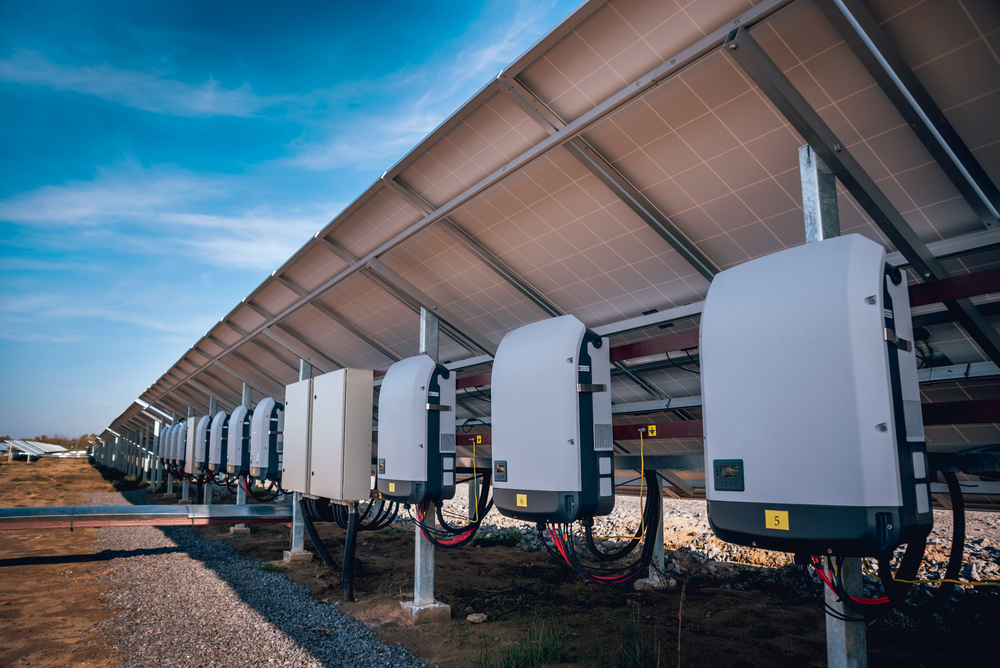
India’s renewable energy sector is witnessing rapid growth, driven by ambitious national targets, supportive policies, and technological innovation. As solar energy projects scale up, the demand for advanced components that ensure efficient power conversion and distribution is at an all-time high. Among these critical components, solar inverter transformer manufacturers are playing a central role in enabling seamless integration of solar power into the grid.
This blog delves into the critical role of inverter transformers, the latest technological advancements, and the impact manufacturers are making on India's clean energy transition.
Understanding the Role of Inverter Transformers
An inverter transformer is a specialized transformer used in solar power plants to step up or step down voltage after the DC power generated by solar panels is converted into AC through an inverter. Its main function is to ensure grid compatibility, maintain safety, and minimize power losses during transmission.
Unlike conventional transformers, inverter transformers are designed to handle higher frequency harmonics and variable load conditions, making them ideal for renewable energy applications. They are also engineered for compactness, energy efficiency, and compatibility with modern solar inverter technologies.
Why Solar Inverter Transformers Are Critical for Solar Projects
1. Efficient Power Conversion
In solar farms, energy generated by photovoltaic modules undergoes multiple conversion stages before feeding into the grid. A high-quality inverter transformer ensures minimal energy loss during voltage transformation, contributing directly to overall plant efficiency.
2. Grid Stability and Power Quality
India’s grid regulations require strict adherence to standards like voltage stability and control of harmonic distortion, ensuring efficient and reliable power delivery. Inverter transformers are designed to smooth out irregularities and maintain stable output, which is essential for preventing disruptions in power supply.
3. Safety and Protection
Solar power plants operate in diverse environments—ranging from arid deserts to coastal regions. Inverter transformers provide isolation between the inverter and grid, protecting equipment from faults and ensuring personnel safety during maintenance.
Key Features of Modern Inverter Transformers
Modern inverter transformers used in solar applications are engineered with cutting-edge materials and design techniques to meet evolving energy needs. Some key features include:
- High Efficiency Cores: Use of low-loss core materials like CRGO or amorphous metal to reduce energy losses.
- Compact Design: Space-saving configurations suitable for containerized solar solutions and modular plants.
- Enhanced Cooling Systems: Advanced oil or dry-type cooling methods to maintain temperature under fluctuating load conditions.
- Harmonic Mitigation: Designs optimized to handle the harmonic-rich output from modern solar inverters.
- Environmental Resilience: Weatherproof enclosures and robust insulation suitable for extreme climates.
Technological Trends Driving the Sector
The rise in demand for large-scale solar parks and rooftop solar installations is pushing manufacturers to innovate further. Here are some trends shaping the future of inverter transformer technology:
Digital Monitoring and Smart Transformers
Manufacturers are integrating sensors and IoT-enabled features into inverter transformers, allowing real-time monitoring of parameters like temperature, load, and oil levels. These innovations also support predictive maintenance, helping to minimize disruptions and enhance the efficiency of solar energy systems.
Eco-Friendly Materials
There is a growing focus on biodegradable transformer oils and recyclable materials to reduce environmental impact. This aligns with the sustainability goals of renewable energy developers and government policies.
Hybrid Compatibility
With hybrid solar-wind projects gaining momentum, inverter transformers are now being designed for compatibility with multiple renewable sources, ensuring seamless integration into mixed energy systems.
High-Voltage Designs
As solar farms scale to hundreds of megawatts, there is increasing demand for high-voltage inverter transformers capable of handling large power outputs while maintaining efficiency and reliability.
Challenges Faced by Solar Inverter Transformer Manufacturers
While the market is expanding, manufacturers must address several challenges to stay competitive:
- Cost Pressures: Balancing affordability with high efficiency and quality materials.
- Rapid Technological Changes: Keeping pace with evolving inverter technologies and grid codes.
- Harsh Operating Conditions: Designing transformers capable of performing reliably in extreme temperatures and dusty environments.
- Scalability: Meeting the growing demand for both utility-scale and distributed solar projects without compromising timelines.
Outlook: Solar Inverter Transformers in India
India’s renewable energy roadmap aims to achieve over 500 GW of non-fossil fuel capacity by 2030, with solar expected to contribute the largest share. This growth will create unprecedented opportunities for solar inverter transformer manufacturers to innovate and scale production.
Key opportunities include:
- Supporting government-led mega solar park initiatives.
- Catering to the rising rooftop solar market in residential and commercial sectors.
- Developing export-oriented solutions as global demand for solar components surges.
- Leveraging digitalisation to offer lifecycle services and predictive maintenance solutions.
The role of inverter transformer technology will continue to expand as solar projects move toward higher capacities, better efficiency, and smarter energy management.
Conclusion: JayBee Industries Leading the Charge
As India accelerates its renewable energy transition, solar inverter transformer manufacturers remain vital in ensuring efficient power conversion and reliable grid integration. Among the leaders in this space, JayBee Industries has built a strong reputation as a trusted solar inverter transformer manufacturer, delivering high-performance solutions tailored to the unique needs of solar developers across the country. With cutting-edge design, eco-friendly practices, and dependable after-sales service, JayBee is driving forward India’s solar energy future.