Cataract surgery is one of the most performed procedures in the United States, yet most patients walk into their first consultation without knowing what questions to ask or what to look for in a surgeon. If you are considering cataract surgery in Salt Lake City or anywhere in Utah, understanding a few key things ahead of time can make a significant difference in your outcome and your overall experience.
A cataract develops when the natural lens of your eye, which is normally clear, begins to cloud over due to protein buildup. This happens gradually, usually starting after age 55, and most people notice symptoms like blurry vision, difficulty driving at night, increased sensitivity to glare, or colors appearing faded. The important thing to understand is that cataracts do not go away on their own, and glasses cannot fix them. Surgery is the only effective treatment, and the good news is that it is one of the safest outpatient procedures in modern medicine with a success rate above 95 percent.
One thing many patients in Utah do not realize before their consultation is that both eyes are never operated on the same day. Surgeons always treat one eye first, allow it to heal for one to two weeks, and then proceed with the second eye. This is a deliberate safety measure, not a scheduling inconvenience. Knowing this helps you plan your time off and arrange transportation in advance.
The lens choice you make during your consultation is equally important and often underestimated. When the cloudy natural lens is removed, it is replaced with an artificial intraocular lens, commonly called an IOL. A standard monofocal lens is covered by Medicare and most insurance plans and provides clear vision at one distance, usually far. Premium options like multifocal or toric lenses can reduce or eliminate dependence on glasses and also correct astigmatism at the same time, but they involve an out-of-pocket upgrade cost. In Utah, this typically ranges between one thousand five hundred and three thousand dollars per eye above the base procedure. Understanding this before your consultation prevents surprises and helps you have a more productive conversation with your surgeon.
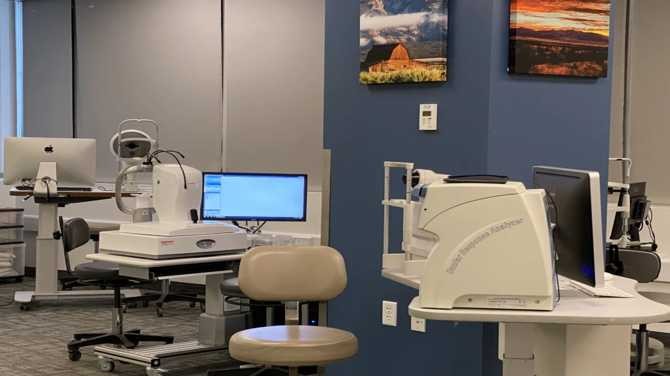
When comparing cataract surgeons in Utah, there are a few practical things worth looking into beyond location and insurance compatibility. First, ask whether your consultation includes a thorough pre-surgical mapping of your eye. The accuracy of these measurements directly determines how well your new lens is calibrated to your vision. A rushed consultation with minimal diagnostics is a red flag. Second, find out whether the surgical center is Medicare-approved, as this reflects a standard of safety and accountability. Third, ask specifically about their experience with complex cases, especially if you have had LASIK before, have astigmatism, or are managing glaucoma alongside cataracts.
Recovery from cataract surgery is faster than most people expect. The majority of patients notice improved vision within twenty-four hours. In the first week you will use antibiotic and anti-inflammatory eye drops several times a day, which is essential for proper healing. Most people feel back to normal within two weeks, though you should avoid rubbing the eye, swimming, or heavy lifting during that period. Follow-up appointments at one day, one week, and one month post-surgery are not optional — they allow your surgeon to confirm everything is healing correctly and address any early concerns.
If your vision has been making everyday activities harder than they should be, it is worth getting an evaluation sooner rather than later. Dense, mature cataracts are actually more difficult to remove and can limit your lens options. Earlier evaluation means more choices and a more straightforward procedure.
Hoopes Vision in Draper, Utah offers cataract consultations at EyeSurg of Utah, a Medicare-approved surgical center where the full care journey — from measurements to surgery to follow-up — is handled by one coordinated team.