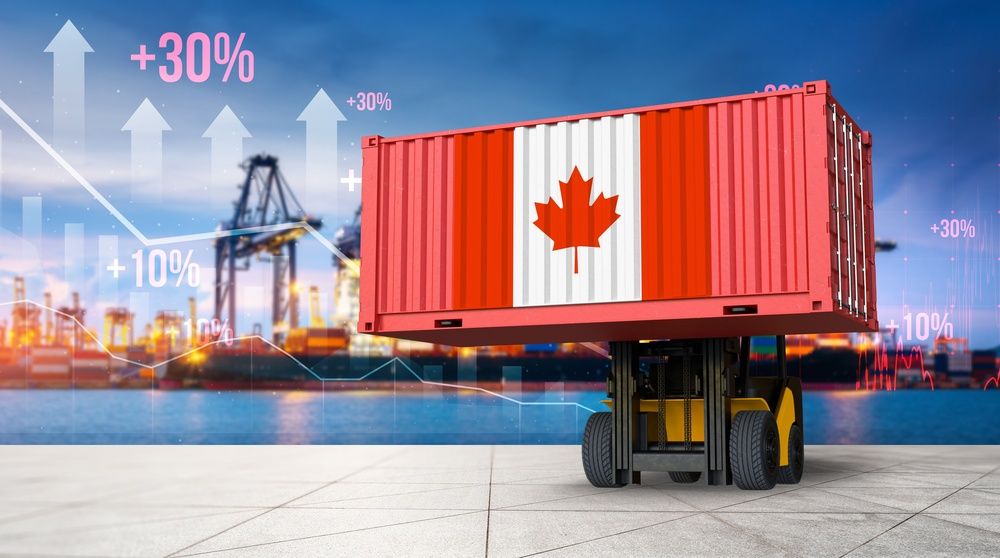
Global shipping is anything but linear. Cargo does not travel seamlessly from origin to destination. It passes through various checkpoints, across borders, between transport modes, and across means of transportation, and through levels of documentation and compliance. Each transition introduces risk.
This is where freight forwarders in Canada play a critical role. They do not just organize transport. They coordinate the entire movement of cargo flow across international and domestic networks, ensuring that shipments are regulated, compliant, and on schedule.
Freight forwarding, at its core, is all about coordination. Without it, even simple shipments can be delayed, misrouted, or held at the border.
What Freight Forwarders in Canada Actually Coordinate
A freight forwarder works between multiple stakeholders, each responsible for a distinct part of the shipment. Without coordination, these handoffs can create delays.
In the Canadian logistics environment, freight forwarders manage:
- International air freight and cargo booking
- Export and import documentation
- Customs clearance coordination
- Port and airport handling
- Inland trucking and final delivery
- Communication between suppliers, carriers, and receivers
Think of it as coordinated orchestration. The cargo moves physically, but the forwarder ensures every step aligns with timing, compliance, and route efficiency.
Coordinating Global Shipping Through Air Freight Networks
For international shipments, speed and predictability oftentimes rely on air freight.
Freight forwarders consider various factors before selecting routes:
- Cargo urgency and value
- Available airline capacity
- Transit time and connection risks
- Documentation requirements for destination countries
Air freight coordination starts way before the cargo leaves the origin. To minimize subsequent disturbance, documentation, route, and airport handling must all align early.
Delays in air freight rarely happen mid-flight. They happen before departure due to incomplete paperwork or poor planning. That is why coordination matters more than booking.
The Role of Inland Distribution in Canada
Once cargo enters Canada, the challenge shifts from international transit to domestic distribution.
This is where ground freight networks become essential.
A trucking company in canada plays an important role in moving cargo from airports, ports, and warehouses to final destinations. Freight forwarders coordinate these movements to ensure:
- Timely cargo pickup after arrival
- Efficient route planning across provinces
- Alignment with delivery schedules and warehouse operations
For example, shipments arriving through crucial gateways often need coordination with a freight forwarder vancouver, where port and air cargo activity ties directly to inland transport infrastructure.
Connecting Key Logistics Hubs Across Canada
Canada’s logistics network relies on strong regional hubs that assist both international trade and domestic distribution.
Key locations include:
- Vancouver for Pacific trade routes and port operations
- Toronto for high-volume air cargo and distribution centers
- Calgary for Western Canada inland freight movement
Coordination with a trucking company calgary becomes essential for shipments entering Alberta and the surrounding regions. These inland networks ensure cargo continues moving efficiently after it clears international entry points.
Freight forwarders connect these hubs into a continuous system, reducing delays between transitions.
Route Optimization Across Air and Ground Networks
Efficient logistics is not just about speed. It is about choosing the right route for the shipment.
Freight forwarders evaluate:
- Distance and transit time
- Cost versus urgency
- Mode combinations such as air and ground
- Seasonal congestion and capacity constraints
A shipment may not always follow the shortest route. It follows the most reliable one.
For example:
- Time-sensitive cargo may move via direct air routes into major hubs
- Cost-sensitive cargo may combine air freight with extended ground distribution
Route optimization ensures that cargo reaches its destination without unnecessary delays or cost escalation.
Documentation and Customs Coordination
Documentation is one of the most critical aspects of freight forwarding.
Every international shipment requires:
- Commercial invoices
- Packing lists
- Air waybills or bills of lading
- Customs declarations and tariff classifications
Errors in documentation can delay cargo even if transport is properly planned.
Freight forwarders in Canada need to ensure documentation is aligned before shipment begins. This reduces the risk of customs holds, inspections, or reprocessing delays.
Visibility and Shipment Control Across the Journey
Modern supply chains require more than movement. They require visibility.
Freight forwarders provide:
- Real-time shipment tracking
- Status updates across transport stages
- Coordination between stakeholders
- Early response to delays or disruptions
Visibility reduces uncertainty and allows businesses to plan operations with greater confidence.
Where Freight Forwarders Add Strategic Value
The value of freight forwarders extends beyond coordination. It includes risk management and operational control.
A structured freight forwarding approach helps businesses:
- Reduce delays caused by poor planning
- Optimize transport routes across air and ground
- Maintain compliance across borders
- Improve delivery reliability
Freight forwarders in Canada act as a control point, ensuring that cargo movement remains predictable and efficient.
Conclusion
Global shipping depends on coordination across multiple systems. From international air freight to domestic trucking networks, every stage must align for cargo to move without disruption.
This is where the role of experienced freight forwarders in Canada becomes crucial. They bridge global shipping and inland distribution, ensuring cargo flows smoothly across air and ground networks.
At Progressive Cargo, we treat this coordination as a structured process. From route planning and documentation to customs clearance and inland delivery, every shipment is end-to-end managed by our expert team with precision and control.
As supply chains continue to expand and become more complicated, working with a logistics partner that understands both global and domestic movement becomes crucial for maintaining reliability.
FAQs
1. What do freight forwarders in Canada do in logistics operations?
Freight forwarders coordinate cargo movement across international and domestic networks. They manage transport planning, documentation, customs clearance, and communication between all stakeholders.
2. How do freight forwarders in Canada support inland distribution?
They coordinate with trucking providers to move cargo from ports and airports to final destinations, ensuring efficient routing and timely delivery across regions.
3. Why is route optimization important in freight forwarding?
Route optimization helps balance cost, speed, and reliability. It ensures cargo follows the most efficient path while avoiding delays and unnecessary expenses.
4. How do freight forwarders handle customs and documentation?
They prepare and verify all required documents before shipment begins, ensuring compliance and reducing the risk of delays during customs clearance.