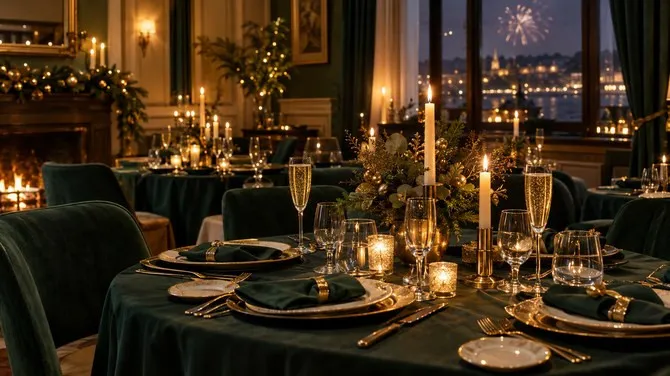
New Year's Eve is the single most forgiving night of the year for hotel pricing, and the least forgiving for sloppy planning. Guests expect to pay a premium, groups book together, and demand in most leisure destinations outruns supply. Yet every January, small hotels compare notes and find the same spread: some properties sold out in November at strong rates, while others discounted in the final week to fill their last rooms. The difference is rarely location. It is package design and timing.
The clock matters more than the creative. Guests who plan New Year's Eve early are planners by nature: families coordinating leave, friend groups collecting commitments, couples who were burned by last year's scramble. They start searching six to eight weeks out, which means a package that goes live in the last ten days of December is playing for the leftovers. If your package is not bookable by mid-November, you are competing on price instead of value.
Build the package around an experience, not a discount. A plain room-plus-dinner rate forces the guest to compare you against every other room-plus-dinner rate on the market. A named evening - gala dinner, live music, countdown on the terrace, late brunch on the first - gives the guest something specific to say yes to. The components usually already exist in the property; the work is bundling and naming them. Guests are not buying a room night. They are buying the promise that the evening is handled.
Price it as one number, with the math visible on request. Bundles convert because they remove arithmetic from a celebratory decision. Quote the package per couple or per room, state exactly what is included in plain lines, and keep a short list of what costs extra. The most common trust-killer is a surprise: the guest who discovers at checkout that the gala dinner was not part of the "New Year package" they booked.
Set a two-tier structure before enquiries start. A stay-and-celebrate tier for room guests and a celebration-only tier for local diners doubles the addressable demand and fills the restaurant even if rooms sell out early. It also gives the person answering enquiries a graceful upsell: when the last rooms go, the conversation does not end - it moves to the dinner tier.
Decide your cancellation and deposit terms now, not during the first negotiation. New Year's Eve attracts speculative bookings: guests who reserve two venues and confirm one. A firm but fair deposit, with a written cutoff after which it becomes non-refundable, protects the room night without scaring genuine guests. Whatever you choose, write it into the package itself so there is nothing to debate later.
Then make the package findable where guests actually ask. The same three questions arrive through every channel: what does the evening include, what does it cost, and what is the cancellation rule. Whoever or whatever answers your enquiries should have those answers ready as complete, current responses, not a promise to call back. In the six weeks before New Year's Eve, the property that answers first with a clear package usually gets the booking.
The last lesson comes from the properties that sell out earliest: they treat the night as an event they host, not a date they happen to be open for. Package it early, price it as an experience, answer instantly, and New Year's Eve stops being a demand spike you react to and becomes the most profitable week of your year.


