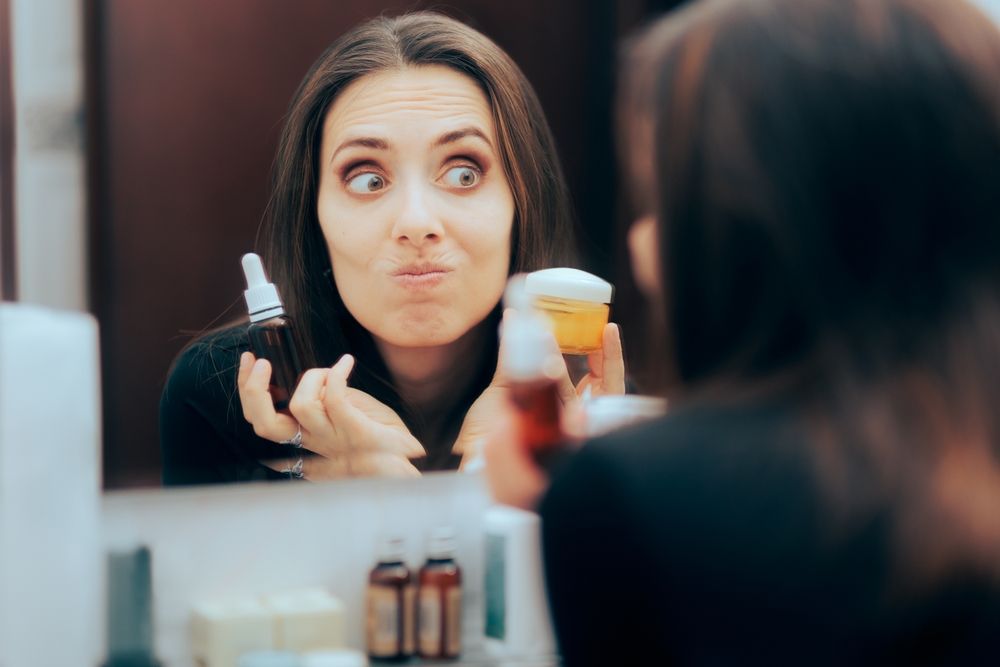
A good skincare routine often begins with curiosity. You try something, notice how it glides, how long it sits, how quickly it disappears, and somewhere in that quiet moment, you decide whether it belongs in your life. That small instinct is more powerful than people realize, because texture and absorption often determine how the best skin products behave once they touch your face.
Many people focus only on ingredients. They look for familiar actives and skip everything else. Yet texture tells you how a formula is built, and absorption shows you how it performs once your skin starts working with it. These two qualities influence comfort, stability, effectiveness, and even the amount of product you end up using over time.
How Texture Shapes Your Daily Experience
Texture is the first signal your skin receives. It guides how the formula spreads, how it layers, and how it feels during busy mornings or quiet evenings when you need something steady and gentle.
Different textures serve different needs. A lightweight gel can calm a hot, tired face after a long day, while a slightly whipped cream may feel reassuring during harsh weather. The richness, slip, or cushion of a product shapes your willingness to use it every day, and consistency is the real engine of results.
Common Texture Types and What They Usually Mean
|
Texture Type |
What It Usually Signifies |
Best Suited For |
|
Gel |
Quick absorption, water-based comfort |
Oily or combination skin |
|
Lotion |
Gentle hydration with light slip |
Most skin types |
|
Cream |
Rich, steady moisture |
Dry or mature skin |
|
Balm |
Occlusion and deep nourishment |
Damaged or very dry skin |
Not all formulas fall neatly into a category, but the table offers a sense of how texture plays into your comfort level.
Why Absorption Tells the Real Story
Absorption is the turning point. A product may look promising, but if it sits on the surface for too long, it might never reach the point where it can support your skin’s rhythm. Fast absorption does not always mean better, though. The right speed depends on the purpose.
A hydrating gel that vanishes in seconds feels wonderful during humid seasons. On the other hand, a nourishing lotion that takes a moment to settle can help your moisture barrier stay balanced and resilient. Absorption tells you whether a product is working with your skin or simply resting on top like a film.
Factors That Influence Absorption
- Water-to-oil ratio affects how quickly your skin accepts the product.
- Humectants draw moisture in and pull the formula deeper.
- Emollients give slip and softness while slowing the absorption rate in a controlled way.
- Climate and skin temperature subtly change how fast a product sinks in.
These details might seem small, but they determine whether the product feels fresh, sticky, or soothing once applied.
How Texture and Absorption Work Together
Texture and absorption are not separate. They partner with each other, shaping how actives travel, how moisture stays, and how your skin’s natural oils react afterward. Two products can share the same ingredient list yet feel entirely different because their textures guide how the skin interacts with them.
A product recognized among the best of skin care products usually earns that reputation because it blends smoothly into an everyday routine. Its texture works in step with the skin’s natural structure, helping hydration and nutrients settle comfortably instead of feeling heavy or forced.
Reading Texture With a More Trained Eye
Once you understand what your skin responds to, the process becomes more intuitive. Here are a few quick pointers to build that instinct.
Pointers to Evaluate Texture and Absorption
- Check how easily the product spreads across your skin.
- Notice whether it leaves a thin film or disappears quickly.
- Pay attention to how your skin feels five minutes later.
- Evaluate how it performs under sunscreen or makeup.
- Ask yourself whether it feels comfortable in your climate.
These small observations help you recognize products that truly suit your skin rather than ones that simply sound impressive.
How These Qualities Affect Your Long-Term Routine
Over time, the right combination of texture and absorption helps your skin stay steady. You use less product because it spreads evenly. You apply it more consistently because it feels pleasant. And your skin shows fewer signs of stress because each layer works with your natural balance.
Many who chase the best of skin care products often discover that the formulas that feel right tend to produce the most reliable results. When the product sits well, spreads well, and settles well, your skin performs better, too. That harmony matters more than people admit.
Conclusion
Choosing the best skin products is not only about reading ingredient lists or checking claims. The real test begins when the product touches your skin. Texture allows you to understand how the formula behaves, and absorption shows you how deeply it supports your skin’s needs. When the two feel in sync, you build a routine that actually lasts.
If your concerns include uneven tone, you might eventually explore the best serum for dark spots and pigmentation, but even then, your experience will still come down to how the formula feels and absorbs each day. As a brand committed to thoughtful care, Kayura continues to shape products that respect this balance and help users trust the choices they make.